PPM comes from 'parts per million'. In this context, the number expresses how much deuterium is present in water relative to a million parts. It is a measure of composition, not a universal health score.
Why there is no magic number
A lower value indicates that the water has less deuterium than another, but it does not alone say what will happen in the body. Effects, if any, may depend on dose, duration, diet, health status, compared product, and studied question.
Also, water is just one component of the total hydrogen and deuterium intake. Food, metabolism, and other beverages are part of the context. Therefore, direct extrapolation from a bottle label to a clinical statement is a shortcut.
What to check on the label
- declared concentration and unit of measurement;
- method or certificate of analysis, when available;
- manufacturer, batch number and storage conditions;
- health claims: are they formulated cautiously or promise guaranteed results?
Beyond the number
A responsible product explains what it measures, how it measures, and what it cannot conclude. When communication uses an exact number to suggest certain medical results, it is worth asking for the source and design of the study.
Sources and further reading
These references explain the subject and the limits of the evidence. A reference is not proof that a product treats a disease.
Editorial transparency
Published by MECRO SYSTEM SRL. AI tools assist drafting and translation. No named medical reviewer is attributed to this article. This educational material does not replace individual medical advice. Report an error using the contact page, including the article address and the passage concerned.
You may also like
 Heavy water versus DDW: differences explainedUnderstand the difference between heavy water, deuterium and deuterium-depleted water, without confusion or health promises.
 PPM versus percentages: how to read concentrationsThe difference between ppm and percentages explained simply for correct reading of labels and water analyses.
 How is deuterium-depleted water produced?An explanatory overview of isotopic separation and the information a manufacturer should clearly communicate.
 What is deuterium-depleted water?Introductory guide to deuterium-depleted water: definition, difference from heavy water and limits of health claims.
 How is deuterium measured in waterWhat does a deuterium analysis mean, why does the ppm unit appear, and what questions deserve to be asked about a declared result.
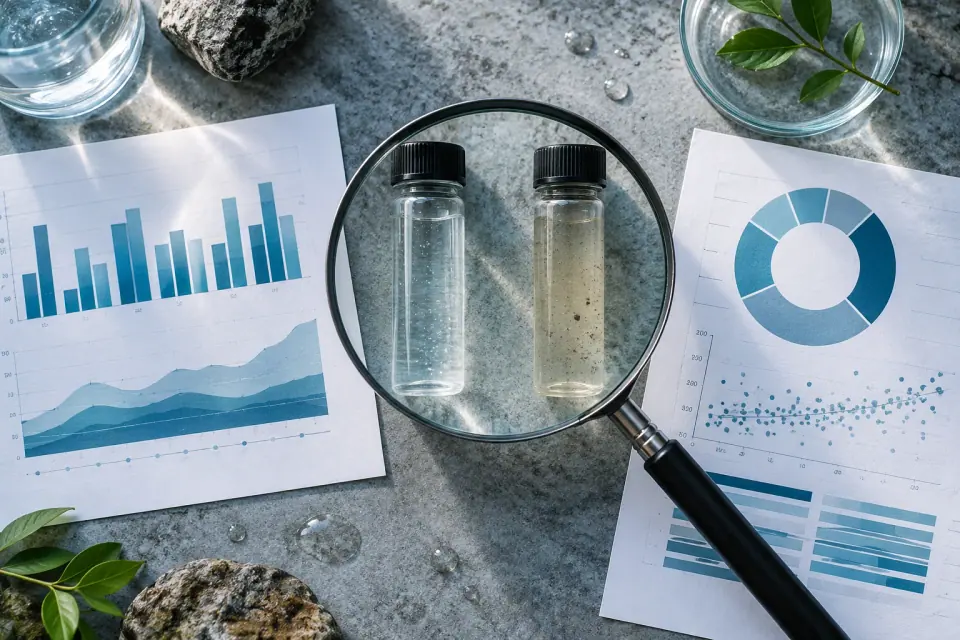 How to compare two water analyses with deuteriumA practical guide for responsibly comparing results: method, unit, date, batch, and purpose.
 Frequently asked questions about deuterium-depleted waterConcise answers to frequent questions about deuterium-depleted water, deuterium, ppm, and health promises.
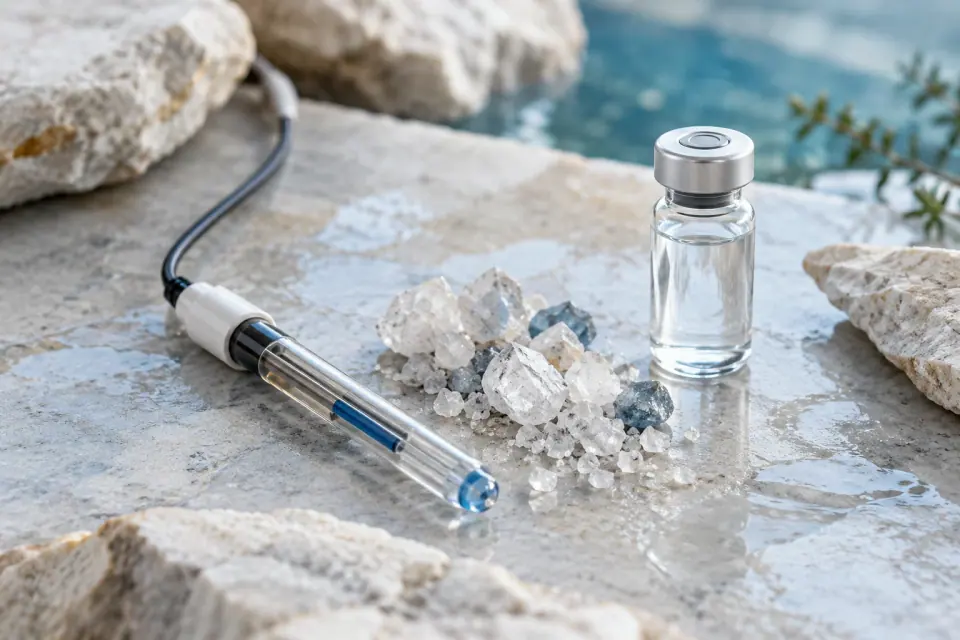 pH, minerals and deuterium: three different thingsWhy pH, mineral content, and deuterium concentration should be read separately on a water label.