
On this page
The specification has a clear form
A concentration expressed in unit, a batch, a date or a method are examples of verifiable information. They do not guarantee a personal preference, but are a good starting point for comparison.
Vague formulations raise questions
Words such as "special", "active" or "premium" may describe a product's positioning, not necessarily a tested property. Ask what the term specifically means and what document supports it.
Do not confuse the label with the recommendation
A product description cannot alone establish that water is indicated for a condition. In health, statements require appropriate evidence and caution, especially when treatments are ongoing.
Conclusion
Good labels provide data and limits. An informed reader seeks both.
Editorial transparency
Published by MECRO SYSTEM SRL. AI tools assist drafting and translation. No named medical reviewer is attributed to this article. This educational material does not replace individual medical advice. Report an error using the contact page, including the article address and the passage concerned.
You may also like
 Water traceability: from source to labelHow traceability helps you read more informed information about origin, production and analysis.
 The analysis certificate explained in simple termsWhat information can an analysis certificate contain and why it is not the same as a clinical proof.
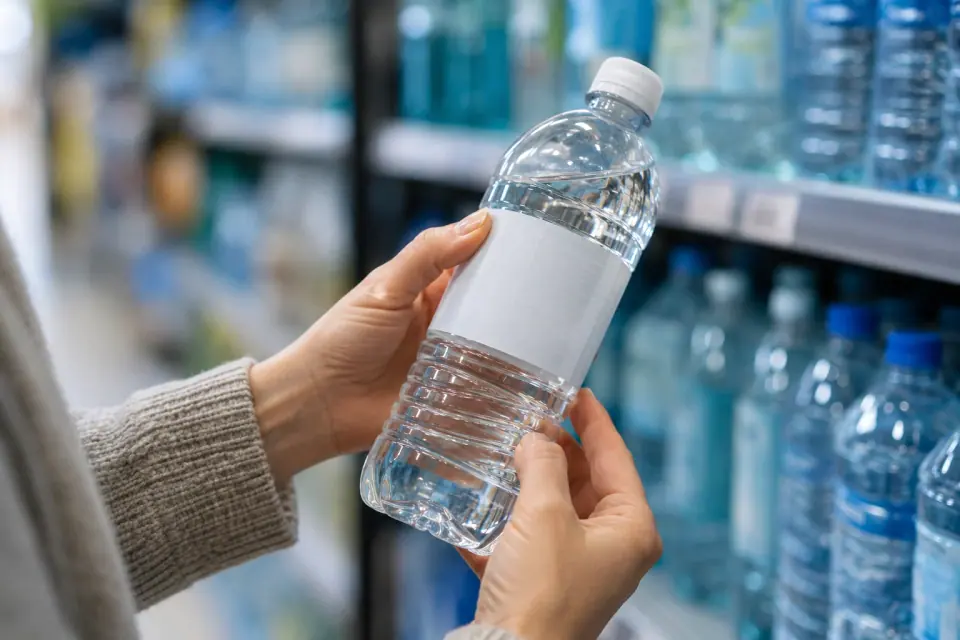 Label guide for deuterium-depleted waterWhat to check on the label of deuterium-depleted water: concentration, batch, analysis, manufacturer and health claim limitations.
 What does a batch mean for a DDW productWhy the batch number is important for traceability, analysis, and the relationship between label and purchased product.
 How to read a technical sheet for DDWElements of a useful technical sheet: product, batch, concentration, method and limitations of interpretation.
 Questions to ask a DDW producerA list of practical questions for deuterium-depleted water producers: analysis, batch, concentration, and evidence for statements.
 How to compare two DDW productsA list of criteria for responsibly comparing two deuterium-reduced waters, without turning ppm into a health score.
 DDW Glossary: 12 terms to understandSimple glossary for deuterium, DDW, heavy water, ppm, isotopes, placebo and other expressions found in research about water.