
On this page
1. Define the question
Do you want to understand composition, taste, origin, or a health claim? Each question requires a different type of information. Do not let a single answer be presented as a solution for all.
2. Check the product data
Look for manufacturer, batch, concentration, unit, and analysis documents. These help in the technical comparison of products.
3. Evaluate health claims
Request relevant human studies, with appropriate comparison and clear results. Do not confuse laboratory mechanisms or testimonials with clinical evidence.
4. Respect personal context
Do not replace treatments, do not change medication, and seek medical advice in case of illness, pregnancy, or other clinically significant situations.
5. Keep the conclusion proportional
A consumer choice can be simple; a therapeutic claim requires a much stronger basis.
Editorial transparency
Published by MECRO SYSTEM SRL. AI tools assist drafting and translation. No named medical reviewer is attributed to this article. This educational material does not replace individual medical advice. Report an error using the contact page, including the article address and the passage concerned.
You may also like
 Marketing and data: how we keep the differenceA guide for reading commercial messages about water, deuterium, and health results.
 Absolute words on labels: a quick filterHow to recognize formulations such as "guaranteed," "heals," or "total detox" and why they require a high level of evidence.
 7 myths about deuterium-depleted waterSeparate verifiable information from DDW myths: purity, detoxification, treatment, ppm and personal testimonials.
 Testimonials and evidence: why they are not the same thingWhy personal experiences can be important for people, but cannot replace controlled studies about health.
 Questions to ask a DDW producerA list of practical questions for deuterium-depleted water producers: analysis, batch, concentration, and evidence for statements.
 What does a batch mean for a DDW productWhy the batch number is important for traceability, analysis, and the relationship between label and purchased product.
 DDW and cancer: why caution is essentialDeuterium-depleted water and oncology: what studies indicate, what they do not demonstrate, and why standard treatment should not be interrupted.
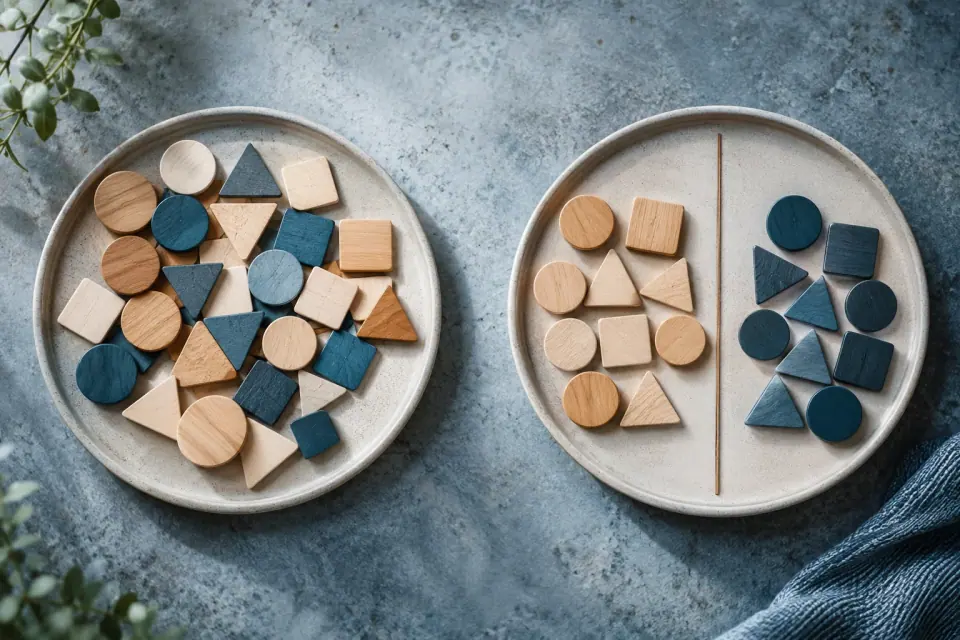 Observational study versus randomized: the essential differenceHow do observational studies differ from randomized ones and why does this difference matter for statements about DDW?