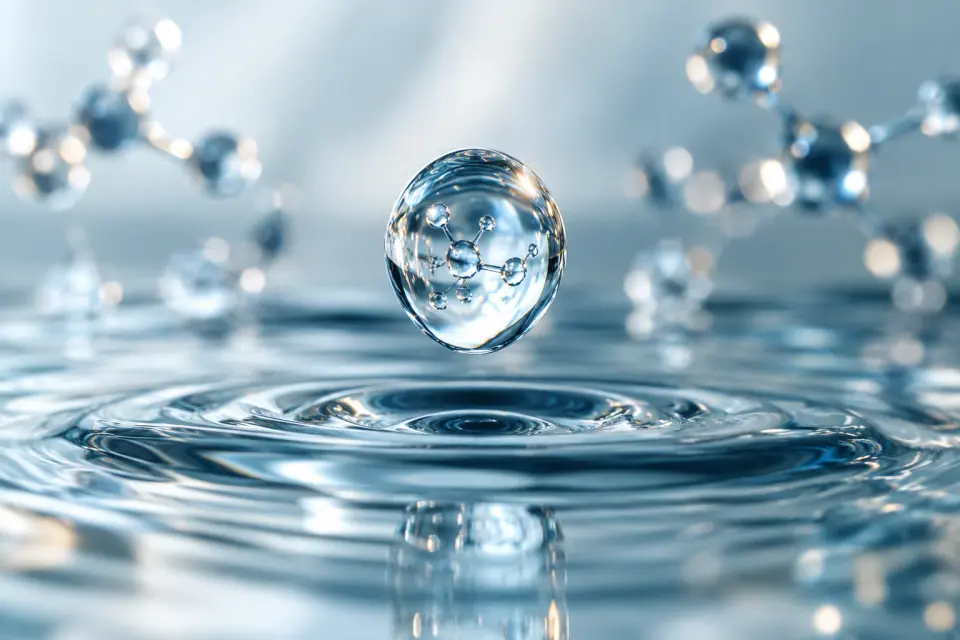
In water molecules, hydrogen is not always identical. A small part is deuterium, a stable isotope of hydrogen. When we talk about deuterium-depleted water, we are talking about water obtained through processes that reduce this proportion. The label usually indicates the concentration in ppm (parts per million).
It is useful to separate three ideas that are often mixed up. Ordinary water contains a natural level of deuterium; heavy water is enriched in deuterium; DDW has less deuterium than a natural or commercial reference. These are opposite directions in terms of isotopic composition.
Why is there interest?
In biology, isotopes can influence the rate of some chemical reactions. From here comes the interest in possible effects on cellular metabolism. Preclinical research explores such mechanisms, but a plausible mechanism does not automatically demonstrate an important result for human health.
What DDW is not
It is not a category of medicine simply because it has a different concentration. A claim about prevention, treatment, or cure of a disease requires rigorous clinical studies for that indication. For many uses promoted online, this level of confirmation does not yet exist.
A better question before purchasing
Instead of "what does it promise?", ask "what human study supports the promise, for whom, compared to what and with what result?". If the answer is vague, it is correct to remain cautious.
Sources and further reading
These references explain the subject and the limits of the evidence. A reference is not proof that a product treats a disease.
Editorial transparency
Published by MECRO SYSTEM SRL. AI tools assist drafting and translation. No named medical reviewer is attributed to this article. This educational material does not replace individual medical advice. Report an error using the contact page, including the article address and the passage concerned.
You may also like
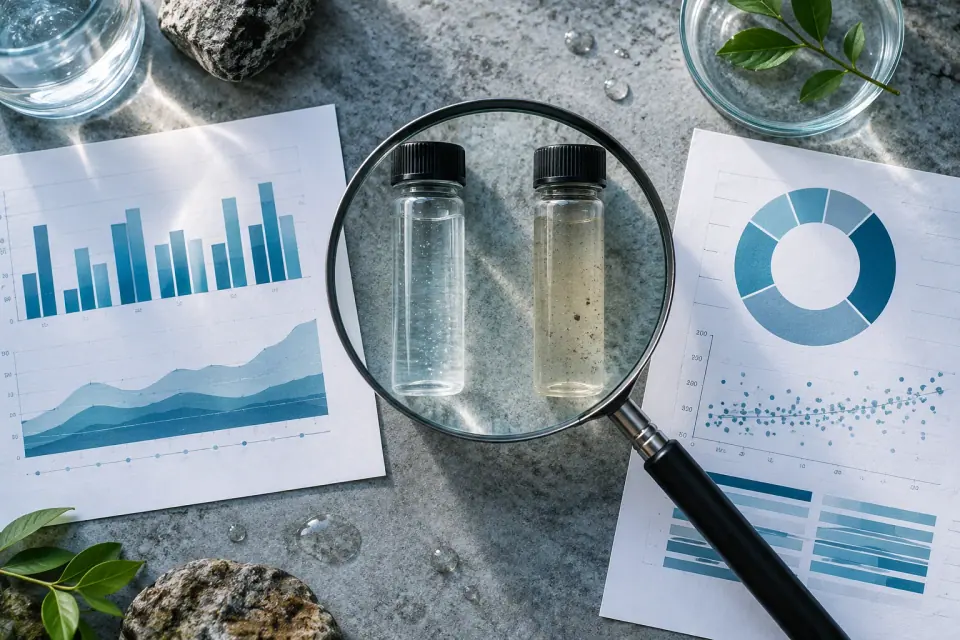 How to compare two water analyses with deuteriumA practical guide for responsibly comparing results: method, unit, date, batch, and purpose.
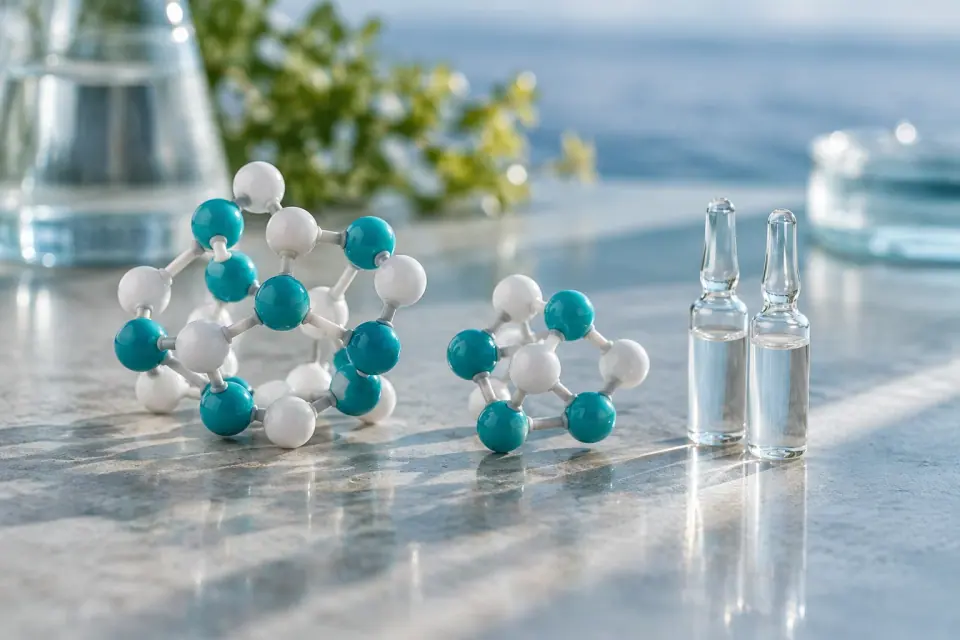 Heavy water versus DDW: differences explainedUnderstand the difference between heavy water, deuterium and deuterium-depleted water, without confusion or health promises.
 PPM versus percentages: how to read concentrationsThe difference between ppm and percentages explained simply for correct reading of labels and water analyses.
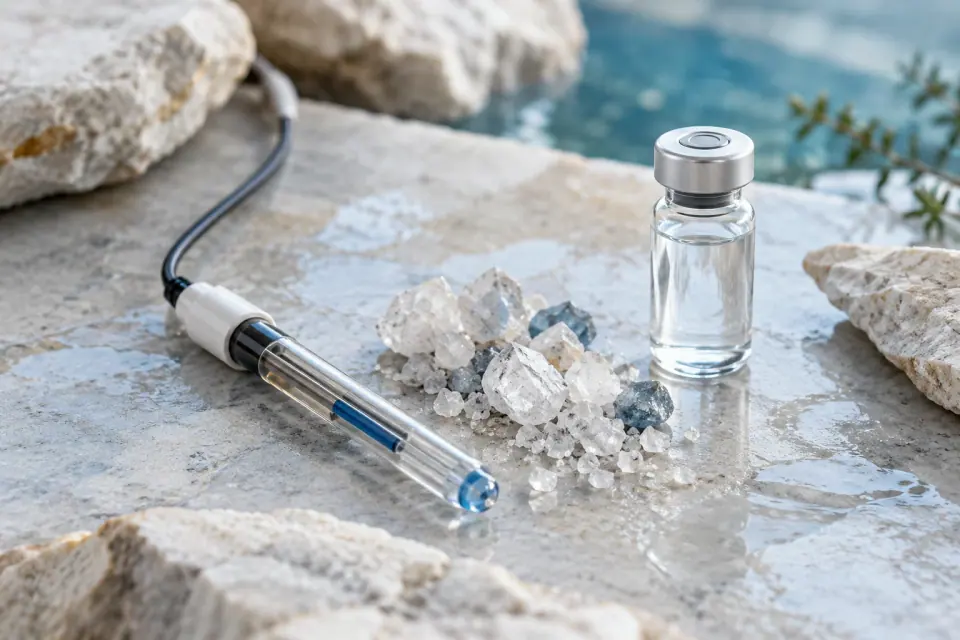 pH, minerals and deuterium: three different thingsWhy pH, mineral content, and deuterium concentration should be read separately on a water label.
 Deuterium: what does "stable isotope" mean?A clear guide about deuterium in water: what is a stable isotope, where it appears naturally, and what this term does not mean.
 Deuterium, diet and metabolism: how we read hypothesesA balanced context about deuterium, diet and metabolism: what can studies explore and why hypotheses are not clinical recommendations.
 How is deuterium-depleted water produced?An explanatory overview of isotopic separation and the information a manufacturer should clearly communicate.
 PPM, isotopes and a number that needs contextWhat does ppm on the label of deuterium-depleted water indicate and why the concentration is not the only relevant thing.