On this page
Start with product identity
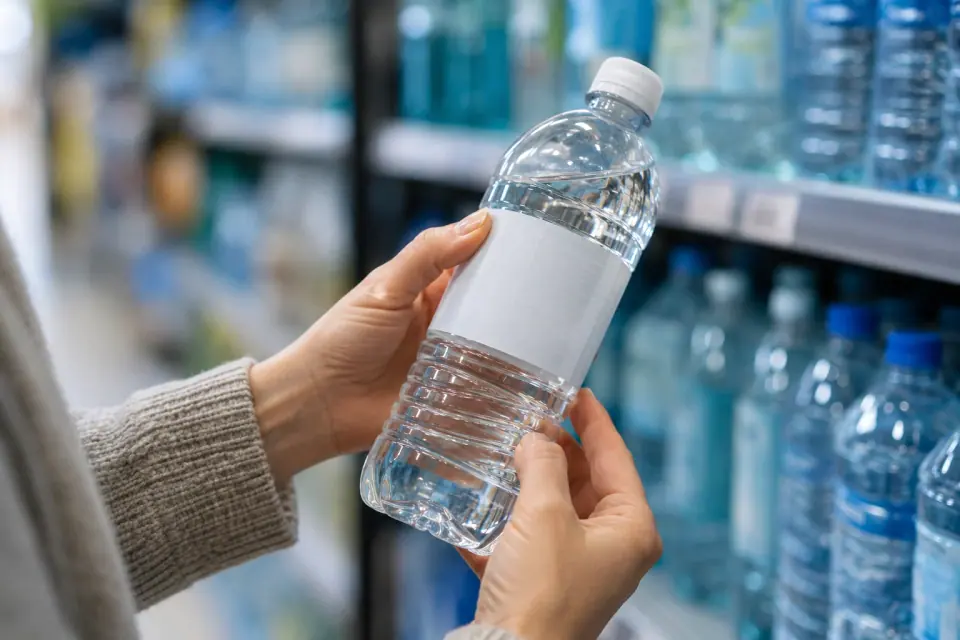
The label should clearly state who the producer or distributor is, what volume you receive, and how the product can be identified. These details are useful regardless of the declared isotopic composition.
Look for concentration and unit
For a product presented as DDW, look for the deuterium value and unit, often ppm. Avoid treating a single number as proof of superiority; it is first and foremost information about composition.
Link the information to a batch
A batch number and a date make product tracking possible. Ideally, the analysis document refers to the relevant batch, not just a general demonstration without a date.
Correctly evaluate the claims
Expressions such as "detox", "regenerate" or "treat" are major claims. Request equally significant evidence: published human studies, appropriate comparisons, and relevant clinical results.
Example of verifying a brand
If you encounter Qlarivia in an offer, check the label for the declared concentration, unit of measurement, and batch. The name of a brand does not replace these information.
EXTERNAL RESOURCE
Products to compare
If you wish to check commercial information about two Qlarivia products, use the merchant pages below. This site does not take orders, set prices, or make medical claims. Verify the label, availability, and delivery terms directly.
See the Qlarivia page for products and availability →
MECRO SYSTEM SRL also operates the commercial Qlarivia.eu website. Links to its products are commercial references from the same operator, a potential conflict of interest. This editorial website does not accept orders or payments. These links do not establish medical benefits.
Editorial transparency
Published by MECRO SYSTEM SRL. AI tools assist drafting and translation. No named medical reviewer is attributed to this article. This educational material does not replace individual medical advice. Report an error using the contact page, including the article address and the passage concerned.
You may also like
 How to read a technical sheet for DDWElements of a useful technical sheet: product, batch, concentration, method and limitations of interpretation.
 The analysis certificate explained in simple termsWhat information can an analysis certificate contain and why it is not the same as a clinical proof.
 Questions to ask a DDW producerA list of practical questions for deuterium-depleted water producers: analysis, batch, concentration, and evidence for statements.
 Water traceability: from source to labelHow traceability helps you read more informed information about origin, production and analysis.
 How to compare two DDW productsA list of criteria for responsibly comparing two deuterium-reduced waters, without turning ppm into a health score.
 Standards, labels and verifiable formulationsHow do you distinguish a measurable specification from a vague message when reading information about water and DDW.
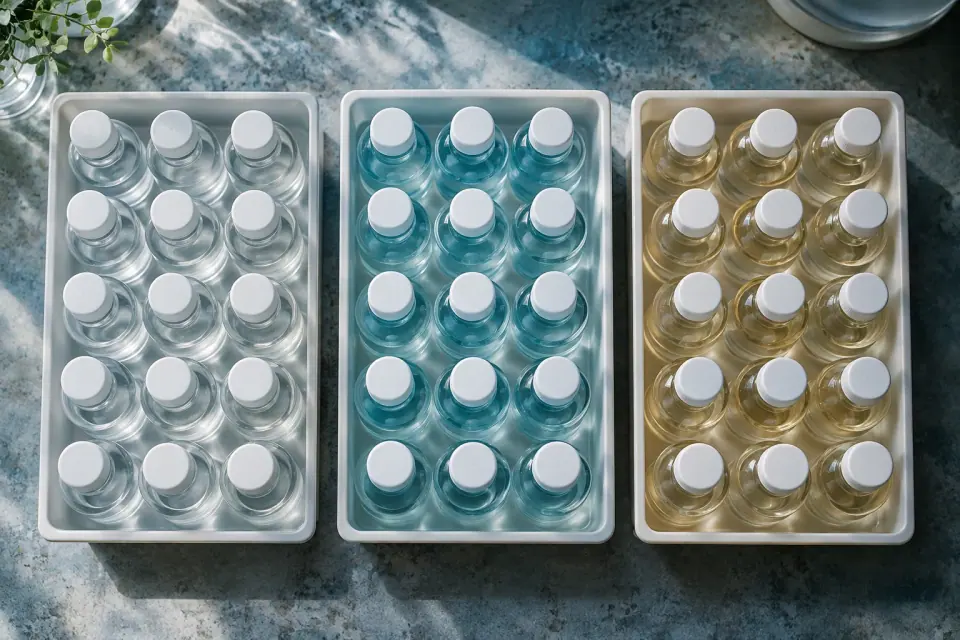 What does a batch mean for a DDW productWhy the batch number is important for traceability, analysis, and the relationship between label and purchased product.
 Reproducing studies: why a result must be confirmedWhy a single study is, generally, not sufficient for a broad recommendation about water or health.