On this page
The same element, different proportions
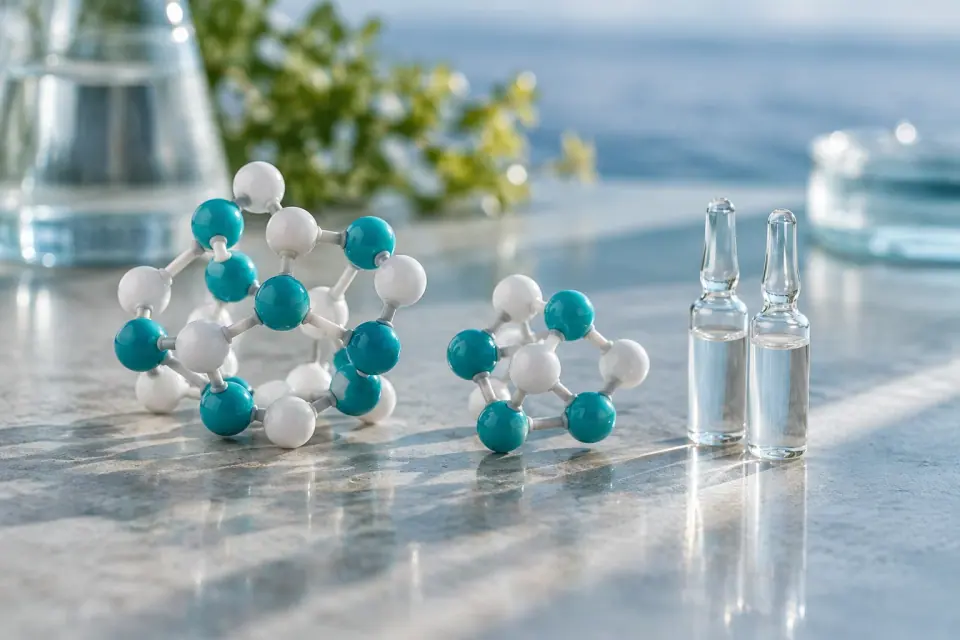
Hydrogen has several isotopes. Deuterium, noted as ²H or D, is a stable form of hydrogen that has an extra neutron. In natural water there is a small natural amount of deuterium. When comparing types of water, it counts the proportion of the isotope, not just the name on the label.
What is heavy water?
Heavy water is water in which the proportion of deuterium is much higher than in natural water; its formula is often written as D₂O. It is associated with industrial and research contexts. It is not synonymous with regular drinking water and should not be confused with DDW.
What is DDW?
Deuterium-depleted water has a declared deuterium concentration below a natural reference level. The direction is opposite to heavy water: it is not enriched, but has reduced deuterium. The PPM and the analysis method are the useful data for comparison.
The idea to remember
Heavy water and DDW are not the same thing. The compositional difference does not by itself prove a therapeutic effect; for health claims, relevant human studies are needed.
Editorial transparency
Published by MECRO SYSTEM SRL. AI tools assist drafting and translation. No named medical reviewer is attributed to this article. This educational material does not replace individual medical advice. Report an error using the contact page, including the article address and the passage concerned.
You may also like
 PPM, isotopes and a number that needs contextWhat does ppm on the label of deuterium-depleted water indicate and why the concentration is not the only relevant thing.
 How to compare two water analyses with deuteriumA practical guide for responsibly comparing results: method, unit, date, batch, and purpose.
 Frequently asked questions about deuterium-depleted waterConcise answers to frequent questions about deuterium-depleted water, deuterium, ppm, and health promises.
 Deuterium: what does "stable isotope" mean?A clear guide about deuterium in water: what is a stable isotope, where it appears naturally, and what this term does not mean.
 pH, minerals and deuterium: three different thingsWhy pH, mineral content, and deuterium concentration should be read separately on a water label.
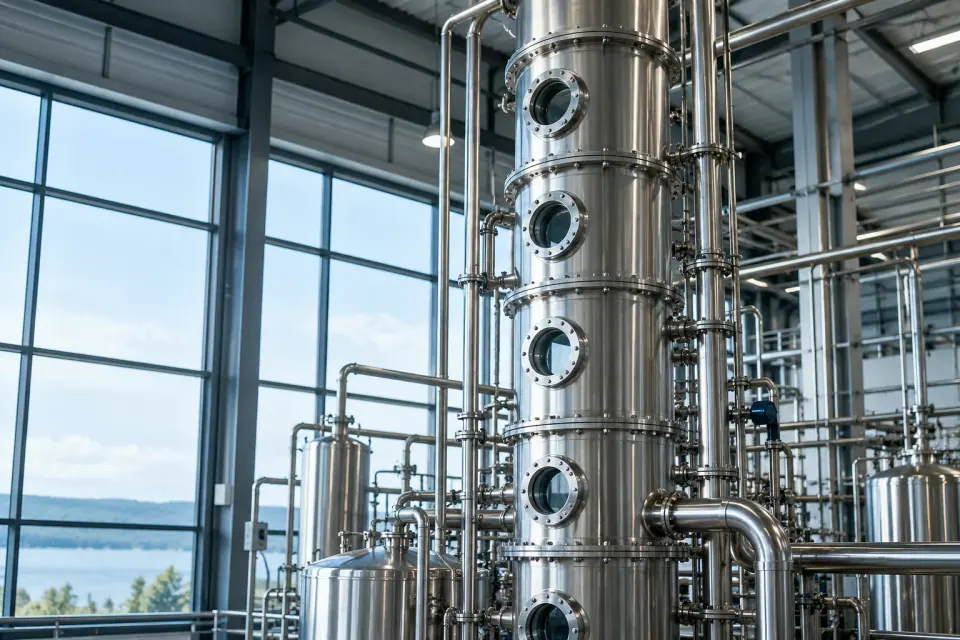 How is deuterium-depleted water produced?An explanatory overview of isotopic separation and the information a manufacturer should clearly communicate.
 DDW Glossary: 12 terms to understandSimple glossary for deuterium, DDW, heavy water, ppm, isotopes, placebo and other expressions found in research about water.
 PPM versus percentages: how to read concentrationsThe difference between ppm and percentages explained simply for correct reading of labels and water analyses.