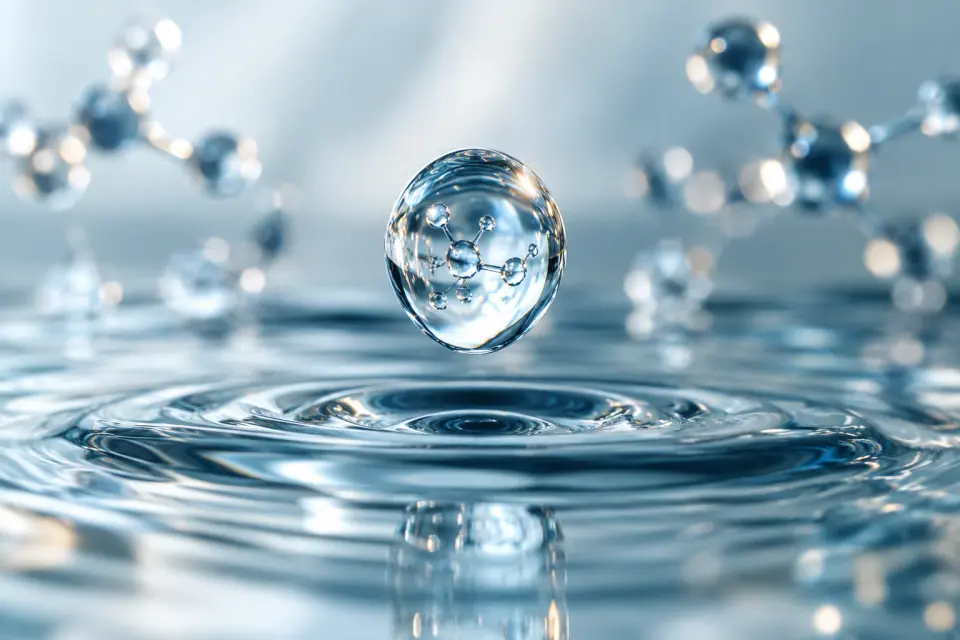
Start here
What is, in fact, deuterium-depleted water?
A calm introduction to the difference between regular water, heavy water, and water with reduced deuterium content.
Read the basic guide →Editorial resource
A place for good questions about isotopes, ppm, and research: what we know, what we don't know yet, and how to distinguish promises from evidence.
Important note: The content is educational and does not replace medical evaluation or treatment recommended by a professional.

DDW Library
Each text starts from a simple question, explains useful terms, and clearly marks the limits of research.
A calm introduction to the difference between regular water, heavy water, and water with reduced deuterium content.
Read the basic guide →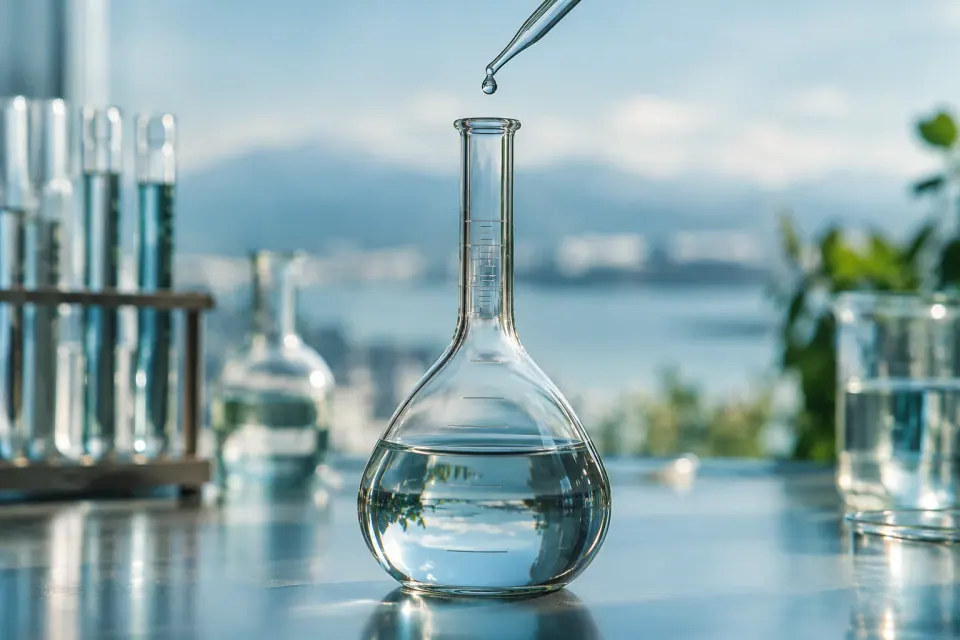
Why ppm describes concentration, but does not alone answer the question "is it better?"

A map of cellular, animal, and human studies — and the gaps between them.
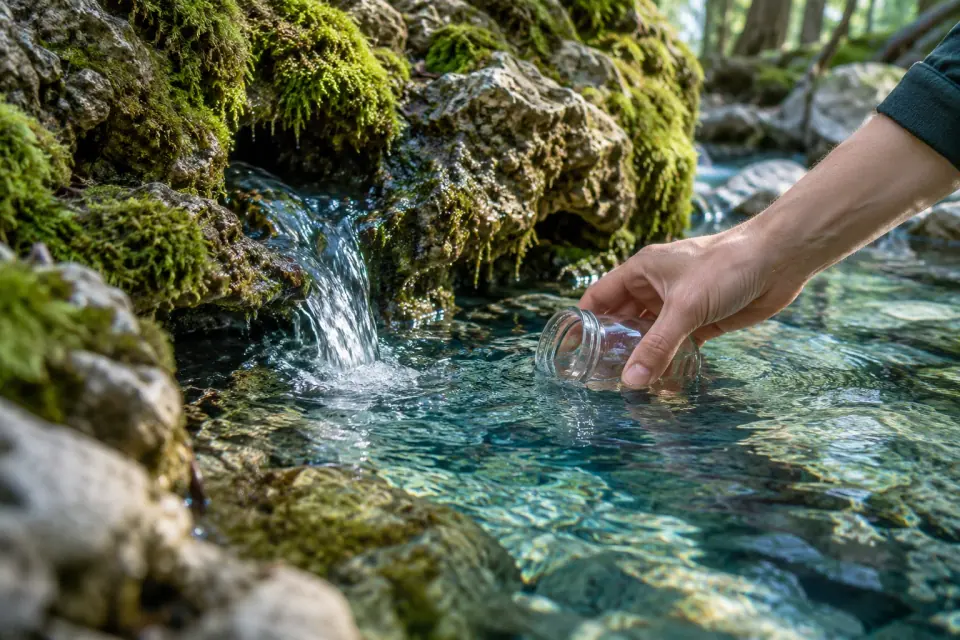
The isotopic content of water is not identical in all places or all types of water.

A small filter for sample size, placebo control, conflicts of interest, and relevant results.
What deserves checking before turning any water into a consumption habit.

Exploratory results are not the same as a recommendation for performance.

A discussion about the level of evidence and why water should not be presented as an oncological treatment.

Direct Answers About Taste, Certifications, Treatments and Overpromises.
Extended Guides
An Extended Library About Terms, Measurement, Labels and How to Correctly Evaluate Health Promises.
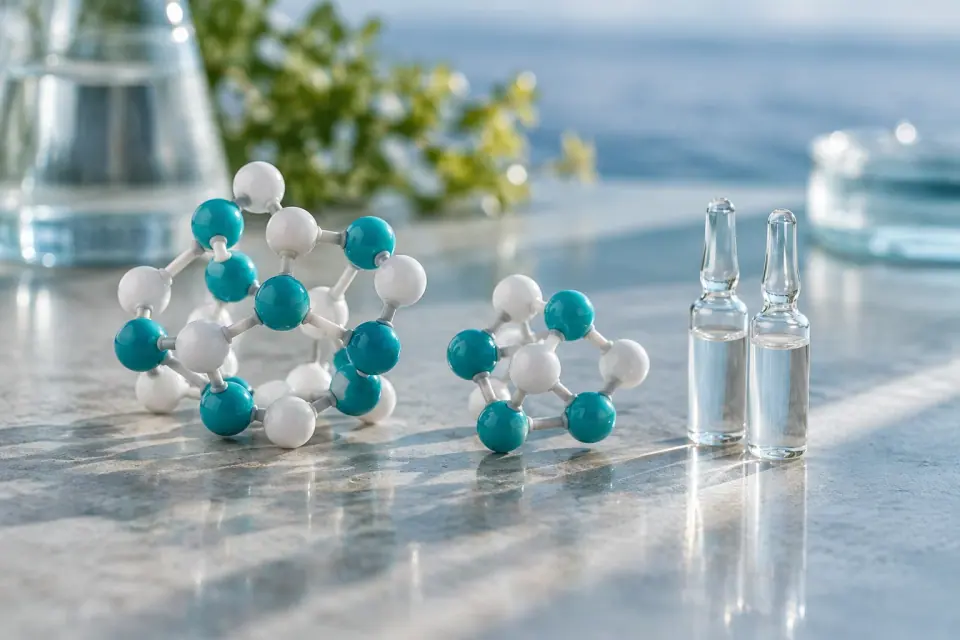
Two Close Expressions, with Opposite Isotopic Compositions.

What the Term Says and What It Cannot Promise.
Why ppm Needs a Method and Context.
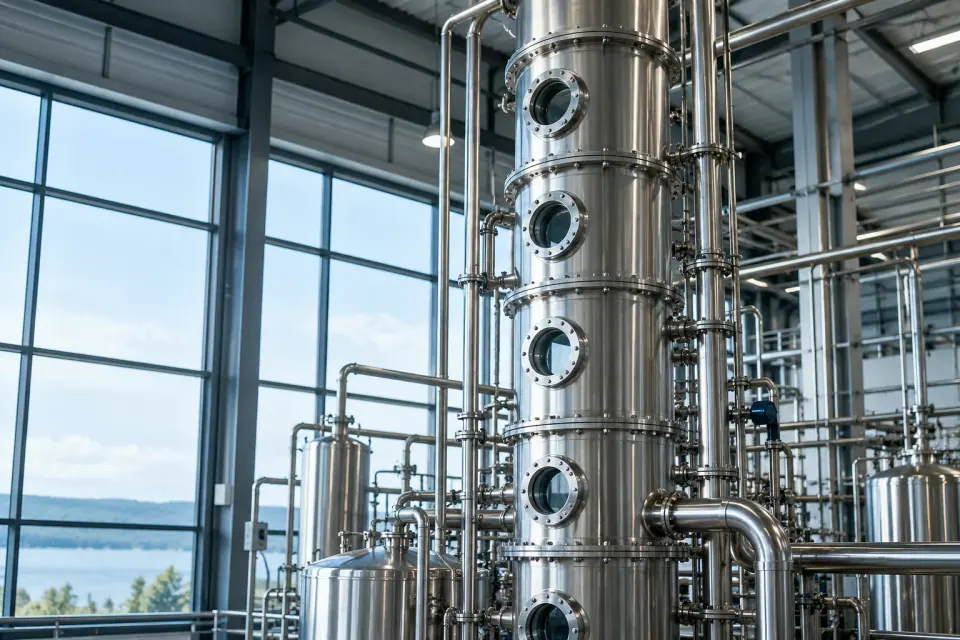
Isotopic Separation Explained in Simple Terms.

A Simple Vocabulary for Clearer Explanations.
Separate Verifiable Information from Overpromises.
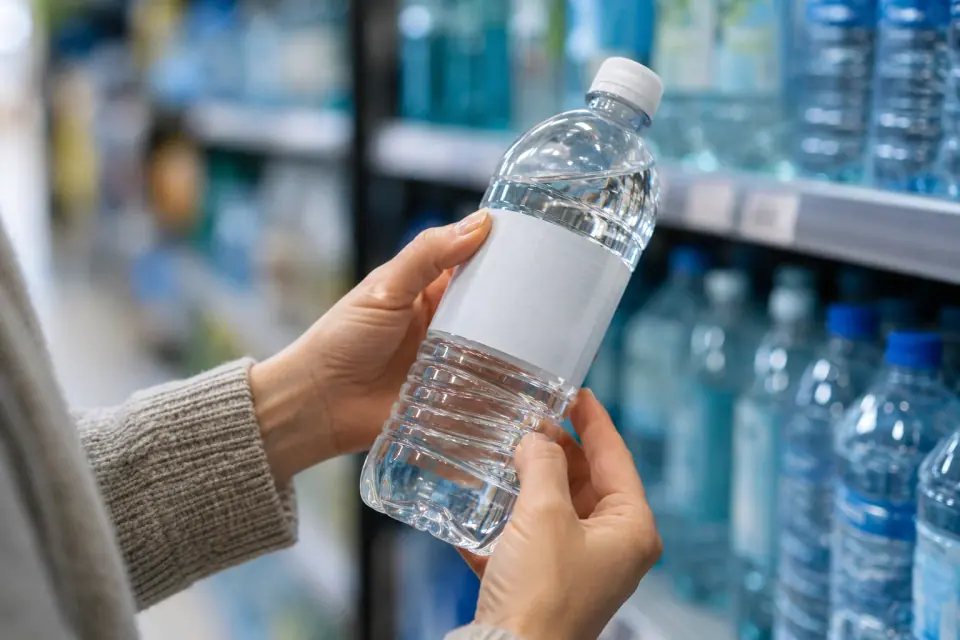
Concentration, Batch, Analysis and Health Promises.

Simple Questions That Ask for Verifiable Answers.

Why a Single Characteristic Does Not Summarize Hydration.

How We Read Hypotheses Without Turning Them into Recipes.

A Clear Map of Evidence Levels.

The Steps Between a Mechanism and a Responsible Conclusion.
Extended Archive
From the Natural Cycle of Water to Analyses, Labels, Studies and Responsible Decisions.

Guide from the Extended DDW Archive.

Guide from the Extended DDW Archive.

Guide from the Extended DDW Archive.

Guide from the Extended DDW Archive.
Guide from the Extended DDW Archive.
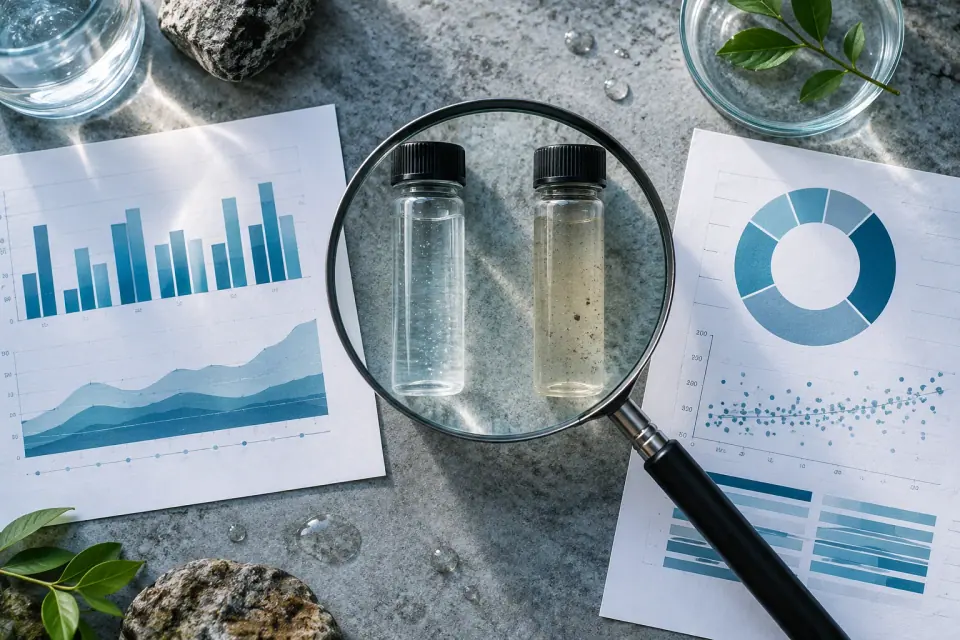
Guide from the Extended DDW Archive.
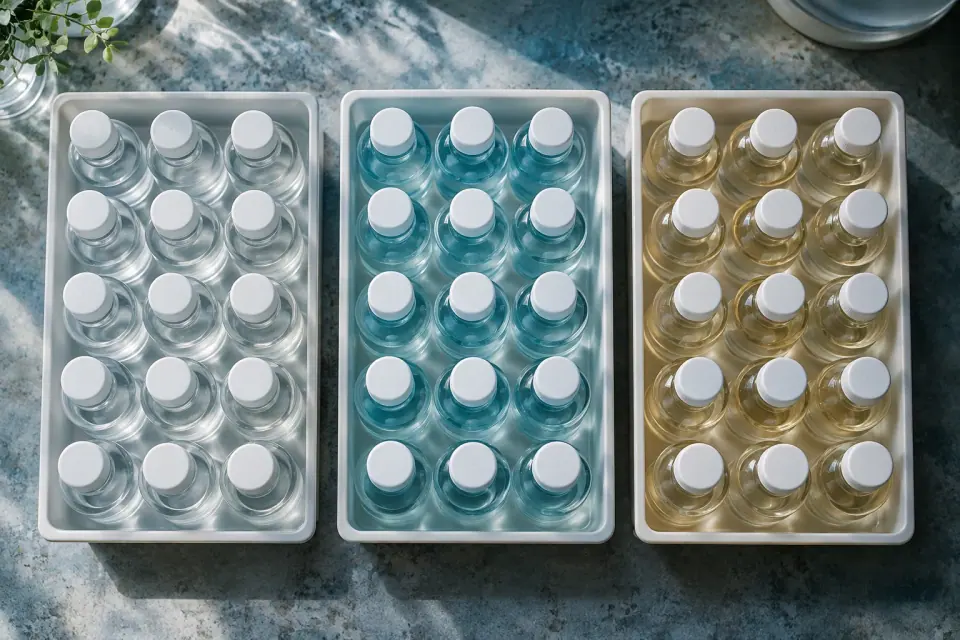
Guide from the Extended DDW Archive.

Guide from the Extended DDW Archive.
Guide from the Extended DDW Archive.

Guide from the Extended DDW Archive.
Guide from the Extended DDW Archive.

Guide from the Extended DDW Archive.

Guide from the Extended DDW Archive.

Guide from the Extended DDW Archive.

Guide from the Extended DDW Archive.

Guide from the Extended DDW Archive.

Guide from the Extended DDW Archive.

Guide from the Extended DDW Archive.
Guide from the Extended DDW Archive.
Guide from the Extended DDW Archive.

Guide from the Extended DDW Archive.

Guide from the Extended DDW Archive.

Guide from the Extended DDW Archive.

Guide from the Extended DDW Archive.

Guide from the Extended DDW Archive.
Guide from the Extended DDW Archive.

Guide from the Extended DDW Archive.

Guide from the Extended DDW Archive.

Guide from the Extended DDW Archive.
Guide from the Extended DDW Archive.
Evidence, not marketing
The fact that a hypothesis is interesting does not mean it is a proven treatment.
Laboratory studies, animal research, and a limited number of human studies. They can formulate hypotheses and identify signals to explore.
Large, independent, randomized, and replicable studies that show clear clinical benefits for a specific condition.
Do not stop and do not replace prescribed treatments. Discuss with the medical team before making health-related changes, especially in the case of an illness or pregnancy.
Frequently asked questions
Starting readings
What is deuterium-depleted water?Introductory guide to deuterium-depleted water: definition, difference from heavy water and limits of health claims.What does research say about deuterium-depleted water?A map of the evidence about DDW: cell studies, animal studies, human studies, and the still open questions.How is deuterium measured in waterWhat does a deuterium analysis mean, why does the ppm unit appear, and what questions deserve to be asked about a declared result.Label guide for deuterium-depleted waterWhat to check on the label of deuterium-depleted water: concentration, batch, analysis, manufacturer and health claim limitations.PPM, isotopes and a number that needs contextWhat does ppm on the label of deuterium-depleted water indicate and why the concentration is not the only relevant thing.Sports and recovery: what data actually supportA prudent analysis of studies on DDW, physical exercise and recovery: exploratory results, not performance promises.Saved only in this browser tab during this session.